how to commission a mural artist
How to Commission a Mural Artist
A practical, step-by-step guide
Commissioning a mural artist can feel exciting… and a bit daunting.
How much does it cost?
Where do you even start?
What if you don’t know what you want yet?
The good news:
you don’t need all the answers upfront.
A good mural artist will guide you through the process and help shape something that feels right for your home, space, your company or purpose.
Here’s how commissioning a mural usually works, and how to get the best result.
1. You don’t need a finished idea to get in touch
One of the biggest reasons people don’t commission a mural is simply not knowing:
what the process looks like
how much a mural might cost
or what sort of design they want
That’s completely normal.
You can come with:
a vague theme
colours you love
an idea of the feeling you want the space to have
or just “this wall feels a bit empty”
That’s enough to start the conversation.
2. Understand the rough cost early on
Murals vary hugely in scale, complexity and time, so costs do too.
Small domestic interior murals often start from around £750
Large-scale, corporate or public-facing murals can range from £1K up to £15k+
This is because murals can be 5m² 50+m². This hugely effects the amount of painting time (from hours to weeks). Your budget usually covers far more than just paint on a wall (more on that below). Being open about budget early helps shape a proposal that’s realistic and stress-free for everyone.
I can suit a range of budgets so get in touch and we can chat about your space!
3. Expect a site visit (and lots of practical thinking)
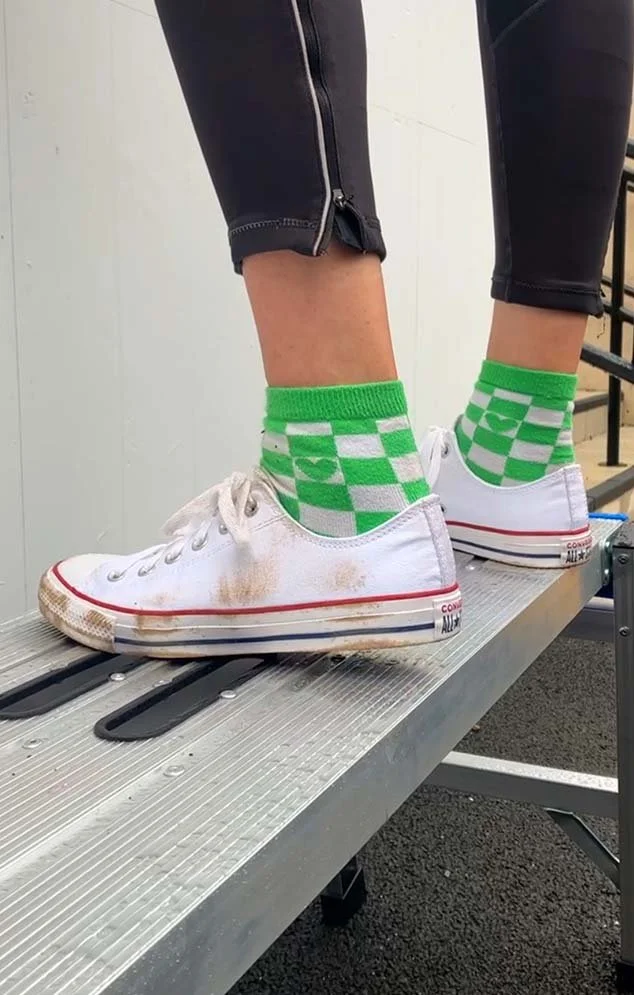
Once we’ve had an initial chat, I’ll usually visit your space, ideally in person. I am well situated in the Midlands but can travel to you. Getting a feel for the site is most important as the lighting affects the colours I choose and the composition I design.
This is where the magic (and logistics) start to come together. I’ll look at:
wall size, texture and condition
lighting and how the space is used
access (ladders, scaffold, furniture, footfall)
whether the wall needs prep
whether it’s a high-traffic or wipe-clean area (corridors / bathrooms / kitchens /hospitals)
For public buildings, hospitals, cafés or workplaces, this stage is crucial for making sure the mural is safe, durable and fit for purpose.
4. Design is collaborative, but you don’t have to design it
The best murals come from shared ideas, not rigid instructions.
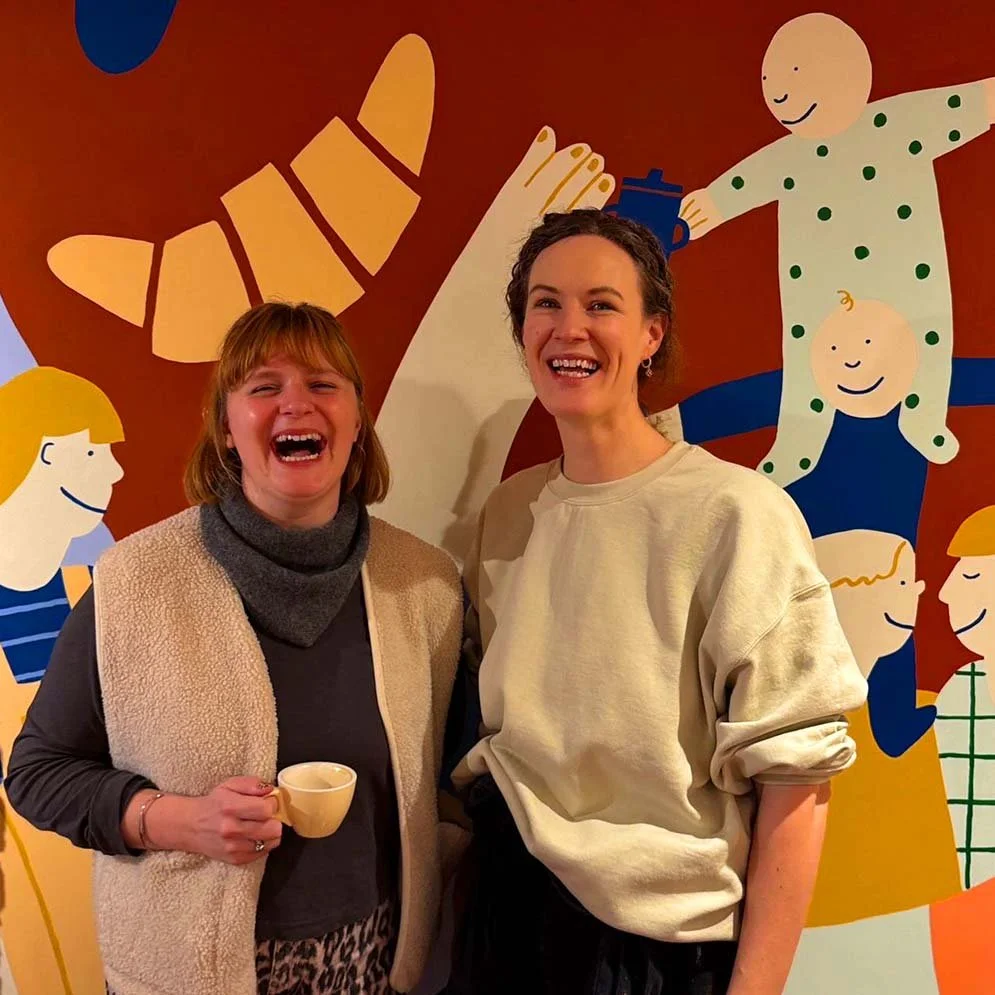
You tell me:
themes, stories or values
colours you’re drawn to
references you like (and dislike!)
I then take those ideas away and:
create initial sketches
develop colour palettes
produce full digital mock-ups
superimpose the design onto photos of your actual wall
This helps you properly visualise the result before a single brush touches the wall. We usually build in two rounds of revisions so the design feels just right.
5. Case studies: what good commissioning looks like
NHS Worcester A&E
I worked closely with hospital staff to develop a mural reflecting both the local area and the diverse population using the hospital. The process included consultation, revisions and clear sign-off stages. The mural was so well received I was invited back to paint a second wall.
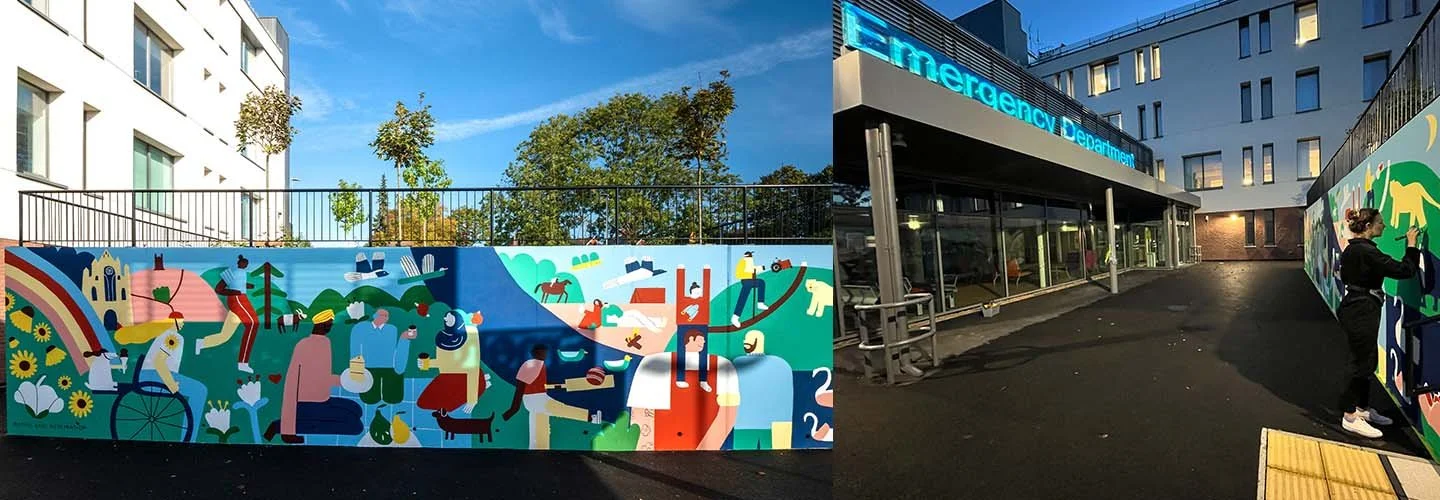
Read more HERE.
Residential dining room mural
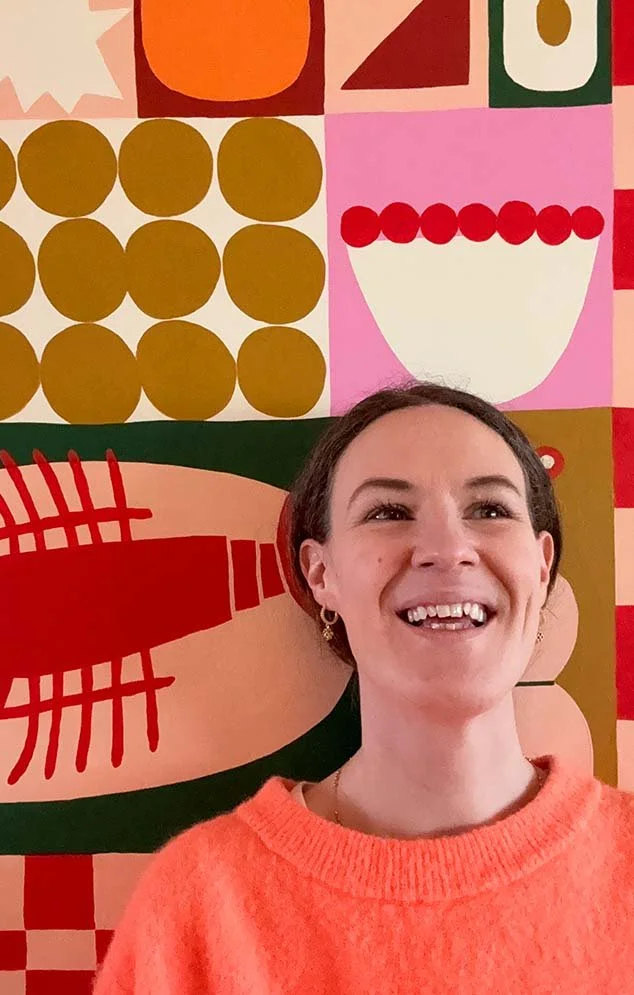
A first-time homeowner wanted something bespoke to complete their space. They shared a love of warm terracotta tones, French food culture and (brilliantly) lobsters. The mural was designed to sit perfectly above the dining table, framed by the chimney breast. It now anchors the entire room.
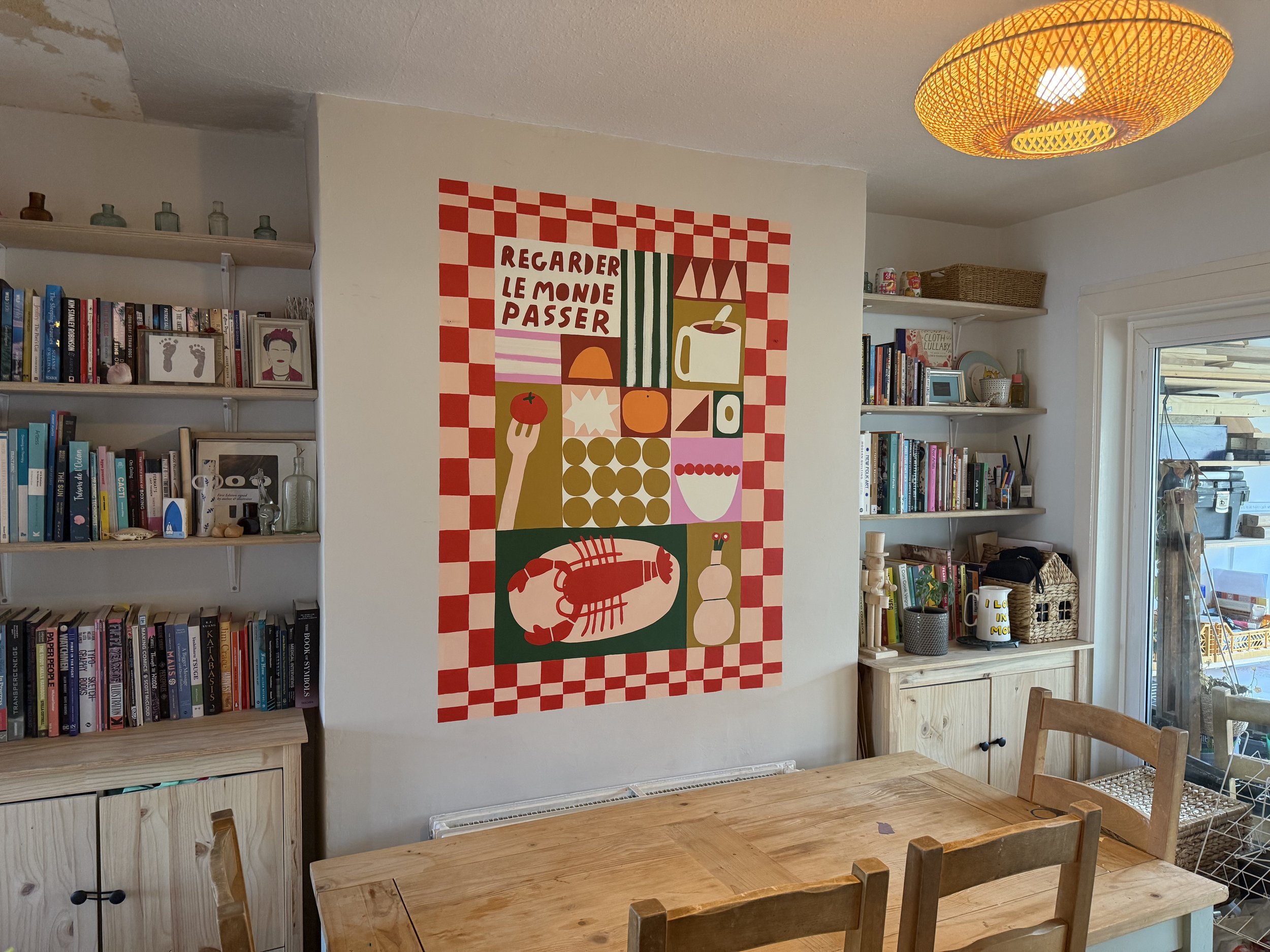
Read more HERE.
Cannington village bus stop, Somerset
Given free reign with a brief to reflect local agriculture, flora and fauna. While painting, locals regularly stopped to chat and requested their much-loved village cat, Tony, be included. He made it into the final mural, and the piece genuinely belongs to the community.
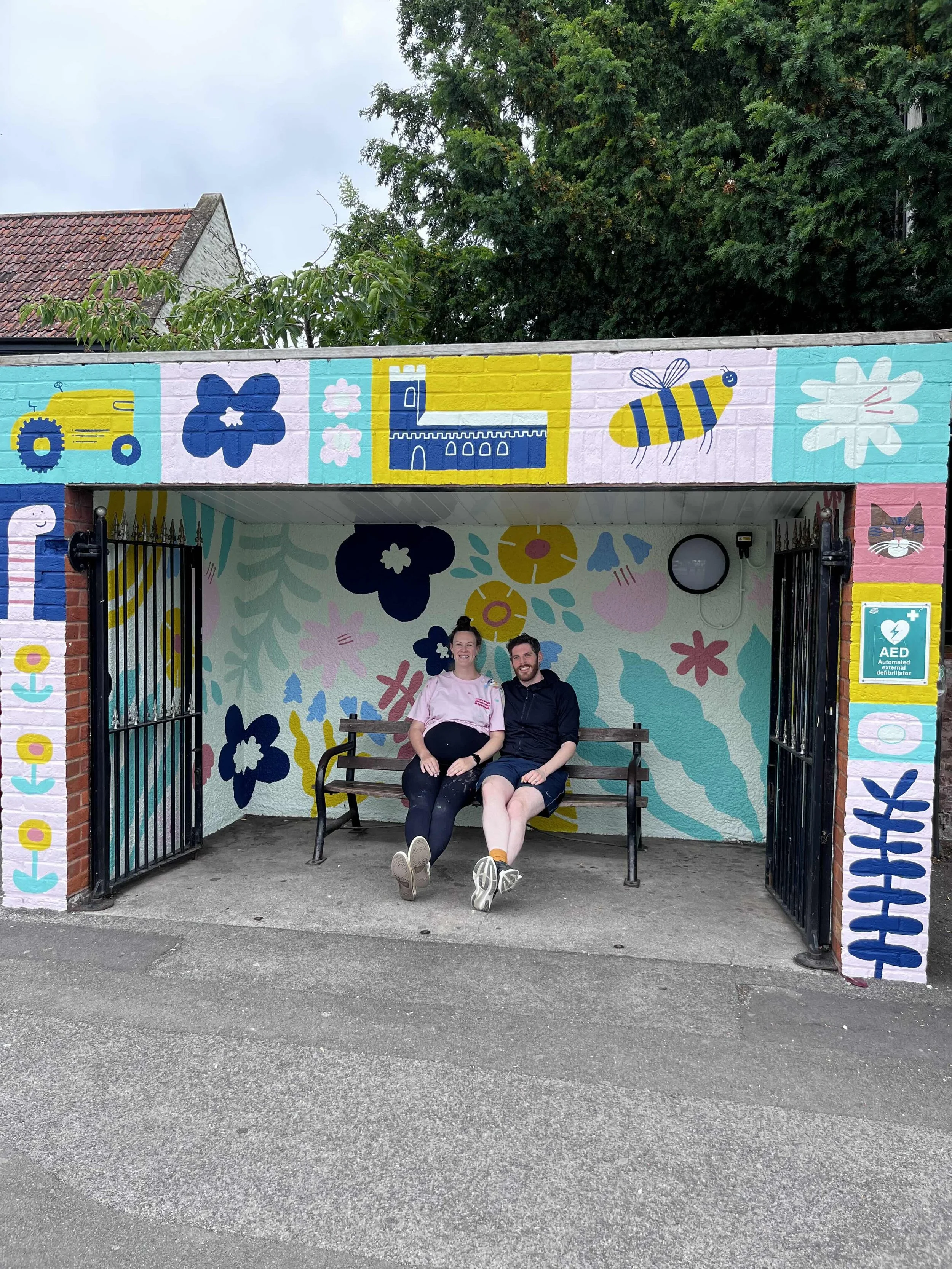
Read more HERE.
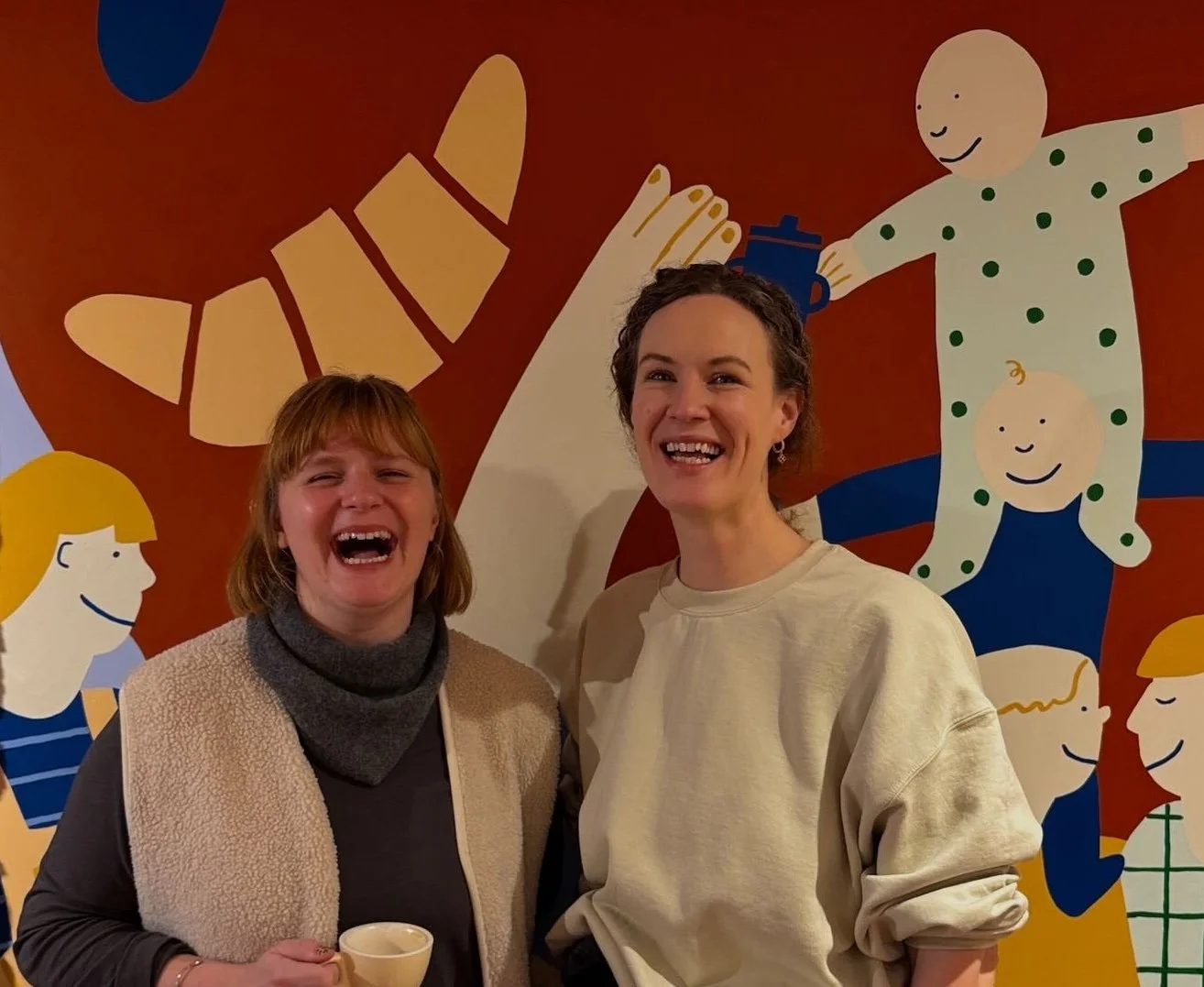
Lola Café, Leamington Spa
The café owners trusted my interpretation of their story as a business and a family. The mural brings warmth and cohesion to the space and reflects their journey and celebrates the community they’ve built.
Read more HERE.
6. Think beyond the artwork itself
A responsible mural commission considers more than aesthetics.
Depending on the setting, this might include:
durability and varnishing for high-traffic areas
wipe-clean finishes for hospitals or healthcare settings
risk assessments, RAMS and method statements
accessibility and safety during installation
long-term maintenance
With a background in product design, I’m used to managing timelines, budgets and documentation and keeping clients updated throughout. I want it to feel as easy as possible so you enjoy the process too.
7. What your mural fee actually includes
A professional mural fee typically covers:
consultation and site visit
concept development and sketches
2 rounds of revisions
a full-colour digital mock-up on your wall
wall prep
installation
specialist paints suited to the surface
UV-protective varnish
photography and filming for my socials which you can also share
I paint everything by hand with a brush. It’s my personal preference and takes longer than spray paints…but the paint is applied much thicker than sprays and lasts longer.
8. Murals as placemaking and value-adding tools
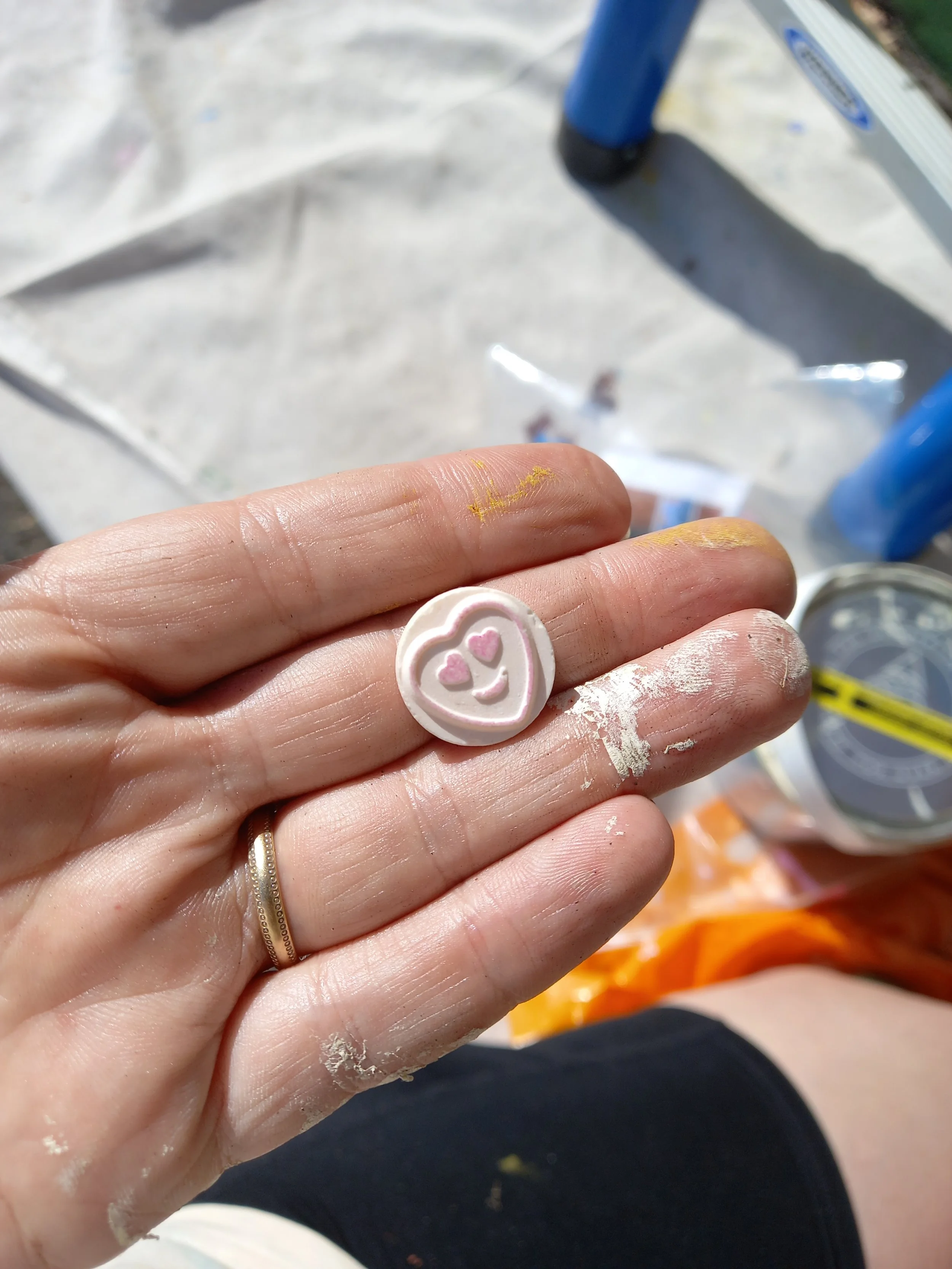
For councils, charities, housing providers and businesses, murals can:
strengthen identity and pride in place
tell stories or histories
visually communicate values or processes
make spaces warmer and more welcoming
support wellbeing and community connection
Where appropriate, I can also invite staff, residents or community members to paint alongside me turning the mural into a shared experience that people will treasure forever.
9. Creative freedom = better results
The strongest murals happen when:
there’s a clear theme or intention
but room for interpretation
Overly prescriptive briefs can make designs feel stiff. Trusting the artist to bring ideas together usually leads to something more fluid, timeless and full of life.
10. 3 things to remember before commissioning an artist
You’ll be guided step by step. You don’t need all the answers upfront
It should be fun and enjoyable, and it should genuinely make you happy
No two designs are the same, your mural is bespoke to you and your space!
You can read more FAQs HERE. I’m here to help you on your mural commission journey.